



Our London portfolio is curated around the city's most prestigious pre-launch and off-plan opportunities combining luxury living, high-growth investment potential, and world-class lifestyle experiences.
Luxury apartments are premium residences offering high-end interiors, concierge services, and exclusive amenities. They are typically located in prestigious areas such as Kensington and Chelsea, attracting global investors and wealthy end-users.
Penthouses are top-floor luxury units with expansive layouts and panoramic views of the city. They are considered trophy assets and are commonly found in central developments around Marylebone and Fitzrovia.
Townhouses are multi-storey homes offering a balance of space, privacy, and urban living. They are popular with families seeking more room than apartments while staying within London’s core and suburban areas.
Terraced houses are traditional London homes that remain highly desirable due to their character, location, and long-term value appreciation. They are common across both central and outer boroughs.
Semi-detached homes offer more space and privacy than terraced houses and are popular in residential suburbs. They are typically targeted by families seeking long-term housing stability.
Branded and serviced residences combine private ownership with hotel-style services such as concierge, housekeeping, and amenities. These are typically found in prime central locations and appeal to high-net-worth international buyers seeking luxury and convenience.
Get access to top 10 pedigree developers in London Prime Locations.
London is world most dynamic market - offering unmatched returns, lifestyle and security for global investors and buyers.
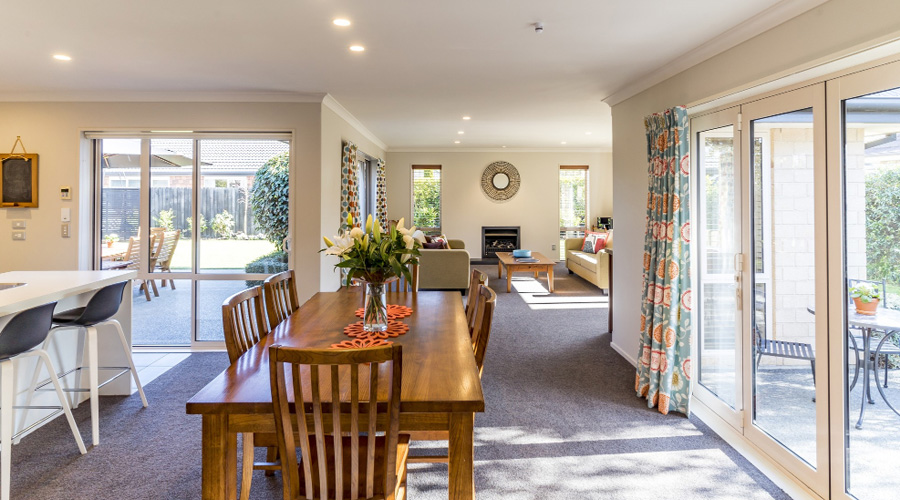
London’s real estate market is one of the most established and globally sought-after investment destinations, offering a strong mix of prime locations, diverse property types, and institutional-grade developers.
Key prime areas include Canary Wharf, a leading financial district known for modern high-rise apartments, Nine Elms, a major regeneration zone featuring luxury riverside developments, and King’s Cross, a transformed mixed-use hub combining residential, commercial, and cultural spaces.
Other highly desirable locations such as Battersea, White City, and Greenwich continue to attract strong investor demand due to infrastructure upgrades and lifestyle appeal.
Property types in London range from studios and city apartments to luxury penthouses, riverside residences, townhouses, and new-build off-plan developments designed for both end-users and investors. The market is supported by top-tier developers such as Berkeley Group, Barratt London, Galliard Homes, Taylor Wimpey, and Ballymore, all of which have played a major role in shaping London’s modern skyline and regeneration-led growth story.
London is one of the world’s most established and trusted property markets, attracting institutional investors, family offices, and international buyers. Its long-term stability, strong legal framework, and global financial influence make it a preferred destination for wealth preservation and real estate investment.
Off-plan properties in London offer the opportunity to enter at early pricing stages in prime regeneration zones and central locations. Areas such as Canary Wharf, Nine Elms, and King’s Cross have historically shown strong capital growth due to infrastructure development, demand-supply imbalance, and urban regeneration projects.
London consistently experiences strong rental demand driven by students, professionals, and international tenants. Limited housing supply and global job migration into the city support long-term occupancy rates, especially in Zones 1–3, where demand remains structurally high.
Investors often use London off-plan property as a long-term wealth-building and portfolio diversification strategy. The market is viewed as defensive, meaning it tends to hold value during global economic uncertainty while still offering steady growth over time.
The UK property market is highly regulated, offering buyers legal protection through contracts, escrow mechanisms, and strict developer compliance requirements. This adds confidence for international investors purchasing off-plan from overseas.
Major regeneration projects across London continue to transform entire districts, improving transport links, commercial hubs, and residential infrastructure. This includes areas like White City and parts of East London, which are attracting significant developer and investor interest.
London is backed by reputable developers and institutional investors such as Berkeley Group, Barratt London, and major real estate funds, ensuring high-quality developments and market confidence.
MINIMUM INVESTMENT IN QUALIFYING PROJECTS
This expansive development offers a refined selection of apartments, townhouses, and villas, thoughtfully positioned within a vibrant, green community.

Examine the opportunities and challenges shaping London's new-build property market. Learn why the city continues to attract global real estate investors.
25 Aug 2025 Read More
Explore emerging districts benefiting from major regeneration and infrastructure projects. Discover where future capital growth opportunities may lie.
12 Feb 2025 Read More
Compare established luxury districts with fast-growing regeneration areas. Discover where future capital growth opportunities may lie.
15 June 2026 Read MoreOff-plan property in London refers to purchasing a property before it is completed, often at the design or construction stage. Buyers typically secure units directly from developers in regeneration areas or new-build developments.
Yes, London is considered one of the safest real estate markets globally due to strong legal protections, regulated developers, and strict construction standards. Buyers are protected through formal contracts and UK property laws, though due diligence on the developer is still essential.
Investors benefit from potential capital appreciation during construction, access to early launch pricing, flexible payment structures, and modern properties in high-demand areas such as Canary Wharf, Nine Elms, and White City.
No, international buyers can purchase off-plan property in London without being UK residents. Foreign investors from most countries are allowed full ownership of freehold or long leasehold properties.
Developers usually offer stage-based payment plans tied to construction milestones. Some projects may also include post-handover payment options or extended installment plans depending on the developer and project structure.
Yes, many off-plan contracts allow assignment sales, where you can sell your property before completion. This depends on the developer’s terms and whether a certain percentage of payments has been made.
Risks include construction delays, market fluctuations, and potential changes in rental demand. However, London’s regulatory environment and established developers help reduce these risks compared to many global markets.
Rental yields in London typically range from 3% to 5%, depending on location and property type. Capital appreciation varies, with regeneration areas often offering stronger growth potential over the long term.
Popular off-plan investment zones include King’s Cross, Nine Elms, Canary Wharf, and White City due to strong regeneration and infrastructure development.
Most off-plan developments in London take approximately 2 to 4 years to complete, depending on project size, location, and complexity.
Yes, buyers should consider Stamp Duty Land Tax (SDLT), legal fees, service charges, and potential ground rent depending on the lease structure of the property.
Investors choose off-plan for lower entry prices, flexible payment plans, and potential capital growth during construction, while ready properties offer immediate rental income but at higher purchase prices.


Middle Eastern Investor
“London off-plan real estate offers a rare combination of stability and global prestige. I invested in a regeneration zone and was impressed by the transparency, legal structure, and long-term capital security.”
Indian NRI Investor
“I chose London over other international markets because of its strong legal framework and consistent demand. The off-plan entry price allowed me to secure a prime unit in a location that would have been significantly more expensive once completed.”
Singapore-Based Portfolio Investor
“What stands out in London is the institutional quality of developments. Even off-plan, the level of planning, developer credibility, and infrastructure backing makes it a very secure long-term investment.”
Hong Kong Buyer
“I invest globally, but London remains one of the most trusted markets for wealth preservation. The off-plan process was structured and well-managed, with clear timelines and strong developer communication.”
European Private Investor (Germany)
“For me, London off-plan is about diversification. It provides exposure to a globally recognized asset class with long-term rental demand and limited supply in prime areas.”
African High-Net-Worth Investor
“The appeal of London lies in its resilience. Even during market cycles, prime developments retain value. Off-plan investment allowed me to enter at an early stage with strong growth potential.”
Homebay Realty is a Premier platform for exclusive pre-launch and off-plan investments across Dubai, Abu Dhabi, Gurugram & London. Our curated selection includes Apartments, Villas, Townhouses & mansions before they hit the open market - at the best prices. Get access to pedigree developer like EMAAR, Sobha Realty, DAMAC, Kings Cross & more.
Whether you are the first time buyer, seasoned investor or seeking UAE Golden visa elogibility through real estate, our team is ready to assist you.